How to Use Worm Castings in a Balcony Garden for Bigger Harvests
If you want a simple upgrade for a small-space setup, worm castings balcony garden routines are hard to beat. Castings are basically worm manure, but that undersells them. They bring a gentle dose of nutrients, helpful microbes, and organic matter that improves potting mix without the burn risk that comes with stronger synthetic feeds. In containers, that matters a lot. Balcony plants live in a limited amount of soil, and once that soil gets tired, growth slows down fast. Castings help keep the mix alive instead of turning it into a dead, dusty sponge.
What makes them especially useful for apartment gardening is how forgiving they are. You do not need to measure with laboratory precision, and you are unlikely to overdo it in the way you can with liquid fertilizer. They are also low-odor, clean to handle, and easy to store in a bag or small bin. For herbs, greens, tomatoes, chilies, strawberries, and flowers in pots, they act like a steady background boost rather than a dramatic jolt. That is usually exactly what container plants need: consistent support, not nutritional whiplash. If your plants look decent but never really take off, vermicompost use is often the missing piece.
How Much to Use in Pots, Planters, and Grow Bags
The easiest method is to mix worm castings into fresh potting soil before planting. A good rule for most balcony containers is 10 to 20 percent castings by volume. So if you are filling a 10-liter pot, use roughly 1 to 2 liters of castings and the rest quality potting mix. That gives seedlings and transplants a nutrient-rich start without making the mix too dense. If you are planting heavy feeders like tomatoes, cucumbers, or peppers, lean toward the higher end. For herbs like thyme, oregano, or rosemary, stay lighter. They do not need a rich, wet mix to perform well.
Already have plants growing? Top-dress instead of repotting. Spread about a half inch to one inch of castings over the soil surface, keeping it a little away from the stem, then water it in. For small herb pots, a small handful is often enough. For larger containers, use one to two cups every three to four weeks during active growth. That schedule works well as an urban gardening fertilizer because it keeps nutrients coming without overwhelming roots in warm weather. If your potting mix sinks after watering, castings also help refresh the surface layer, which is handy when you are trying to squeeze another productive month out of a crowded balcony setup.
The Best Ways to Apply Vermicompost for Faster, Stronger Growth
Mixing and top-dressing are the two reliable methods, but there is a third approach worth knowing: worm casting tea. Not the heavily brewed, aerated kind that turns into a science project on your kitchen counter. A simple soak works fine for home growers. Put a few handfuls of castings in a bucket or watering can, add water, let it sit overnight, stir, and use that water on your plants the next day. It is not magic, and it will not replace solid feeding completely, but it is a gentle way to give containers a quick microbial and nutrient boost, especially after heat stress or heavy harvesting.
Use the method that matches the moment. When planting, mix castings into the soil. During the season, top-dress. If a container looks tired and you want a quick pick-me-up, use a light drench from soaked castings. That rhythm covers most vermicompost use without turning gardening into homework. One practical note: castings are best treated as part of a feeding system, not the entire system forever. Fast-growing fruiting crops on a sunny balcony may still need extra support from compost, balanced organic pellets, or a diluted liquid feed once they are flowering hard. Castings set the foundation. They make everything else work better.
Which Balcony Crops Benefit Most, and Which Ones Need a Lighter Hand
Some crops respond to worm castings almost immediately. Tomatoes usually put on sturdier growth, basil gets bushier, lettuces stay tender longer, and strawberries often produce with better consistency. Leafy greens love the steady nutrition, especially in shallow planters where nutrients wash out fast. Peppers and eggplants also benefit because container fruiting plants tend to burn through their food supply quickly. If you are growing cut-and-come-again salad greens, a light top-dressing after each big harvest can keep the box productive instead of exhausted.
But not every plant wants rich treatment all the time. Mediterranean herbs like rosemary, sage, thyme, and lavender prefer a leaner mix and better drainage. Too much organic richness can push soft growth and reduce the concentrated flavor and resilience these plants are known for. Root crops in containers, like radishes and small carrots, can do well with castings, but keep the ratio modest so the soil stays loose. The point is not to dump the same amount into every pot. Match the feeding style to the plant. Apartment gardening rewards that kind of attention because each container is its own little ecosystem, and small adjustments make a visible difference.
Common Mistakes That Hold Back Your Harvest
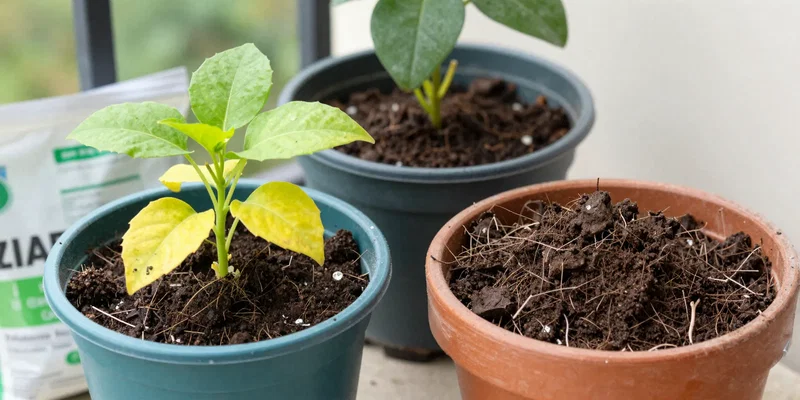
The biggest mistake is assuming worm castings can fix bad potting soil on their own. They help, but they are not a substitute for a proper container mix with drainage, aeration, and water retention balanced for pots. If your containers stay soggy, roots will struggle no matter how premium the castings are. Another common issue is using old, lifeless potting soil year after year and expecting a handful of castings to rescue it. Sometimes the right move is to refresh at least part of the mix, then add castings to rebuild biological activity.
People also underfeed large fruiting plants and overfeed small herbs. A cherry tomato in a sunny balcony planter is basically a hungry machine by midsummer. A tiny parsley pot is not. Then there is watering. Castings improve moisture handling, but they do not cancel out poor habits. If you let containers dry bone-hard and then flood them, plants stay stressed and nutrients wash through. Keep moisture reasonably even. Finally, buy good castings. They should smell earthy, not sour, and feel dark, crumbly, and fine. Cheap bags full of woody chunks or half-finished compost are not the same thing. Good castings are subtle, but the effect is real: steadier growth, better color, and more productive plants in very limited space.
A Simple Feeding Routine You Can Actually Stick With
If you want a no-fuss plan, use this. At planting time, mix 10 to 20 percent worm castings into fresh potting soil. Two to four weeks later, top-dress each container lightly. After that, repeat every three to four weeks for greens and herbs, and every two to three weeks for heavier feeders once they start flowering and fruiting. Water after each application so the nutrients move into the root zone. That is enough for most balcony growers to see thicker foliage, better flowering, and stronger recovery after pruning or harvest.
You can keep the routine even simpler by grouping containers by appetite. Heavy feeders on one side: tomatoes, peppers, cucumbers, strawberries. Moderate feeders in another group: basil, parsley, chard, lettuce. Lean feeders separate: rosemary, thyme, lavender. Feed accordingly instead of treating the whole balcony the same. That small bit of organization makes urban gardening fertilizer schedules much easier to manage, especially when space is tight and containers dry at different speeds. Once you get used to how castings behave, they become one of those rare garden inputs that feel low-effort and genuinely worth buying again. Not flashy. Just useful, season after season.